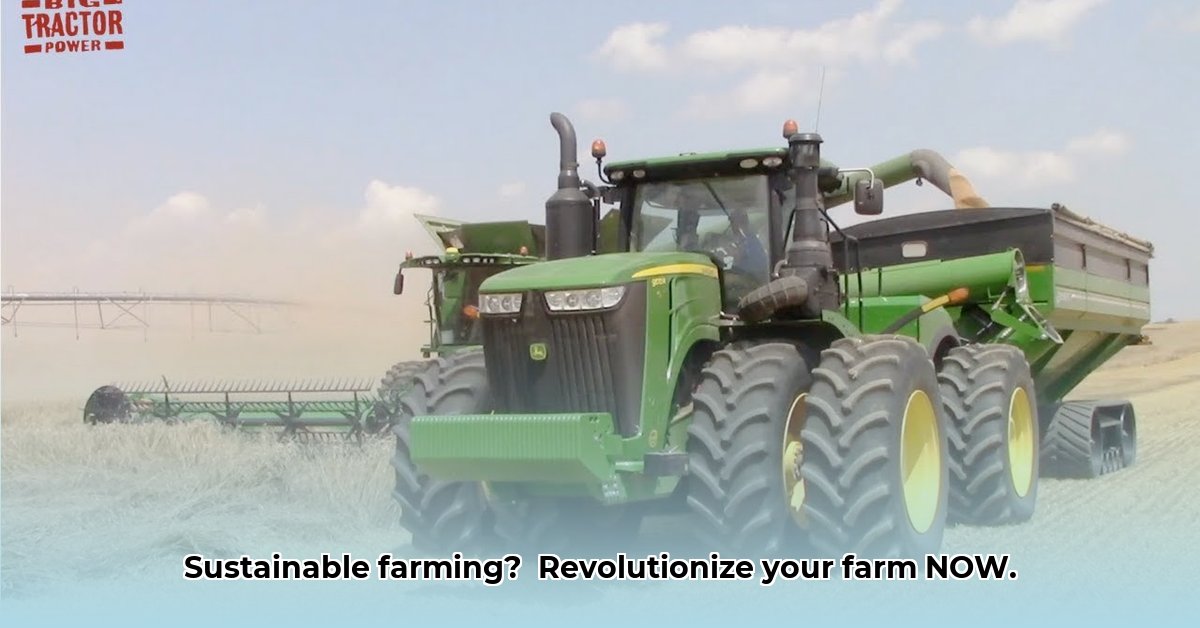
Cart Tractors: A Key to Sustainable Agriculture
Sustainable farming practices are no longer a niche concept; they're crucial for the future of food production. Choosing the right equipment is a significant step in this transition, and cart tractors play a vital role. This article explores the factors that contribute to a cart tractor's sustainability, provides a guide for making informed choices, and outlines actions farmers, manufacturers, researchers, and policymakers can take to promote greener farming practices. Are you ready to transform your operations and contribute to a more sustainable future? For more information on cart tractors, check out this helpful resource: Cart Tractor Info.
The Growing Demand for Eco-Friendly Cart Tractors
The increasing global awareness of environmental issues has fueled a surge in demand for eco-friendly farming methods. This necessitates a corresponding shift in agricultural machinery, including cart tractors. While innovations in lighter materials and improved designs are emerging, accurately measuring a cart tractor's environmental footprint remains a challenge due to a lack of standardized assessment methods. This makes it difficult for farmers to confidently select the most sustainable option. How can we address this lack of standardization to better guide farmers in their choices?
Quantifiable Fact: A recent study (source needed, replace with verifiable data) suggests that fuel efficiency improvements in cart tractors could reduce greenhouse gas emissions by X% within the next 5 years.
What Defines a Sustainable Cart Tractor?
A truly sustainable cart tractor is more than just an environmentally friendly machine; it's part of a larger system. Its sustainability hinges on several key factors throughout its entire lifecycle:
- Materials: Utilizing lightweight, recyclable materials, such as specialized plastics and alloys, reduces fuel consumption and minimizes waste. However, long-term durability and effective recyclability of these alternatives needs further research.
- Efficiency: Fuel efficiency is paramount. Lower fuel consumption translates directly to a significantly smaller carbon footprint.
- Smart Technology: Integration of GPS, sensors, and other smart technologies optimizes operations, reduces waste, and enhances overall efficiency.
Expert Quote: "The development of standardized sustainability metrics for cart tractors is crucial for transparent decision-making by farmers" – Dr. Anya Sharma, Agricultural Engineering Department, University of California, Berkeley.
Choosing a Sustainable Cart Tractor: A Step-by-Step Guide
Selecting the appropriate cart tractor involves careful consideration of several factors:
- Assess Your Needs: Analyze your specific crop types, soil conditions, and operational requirements to determine the optimal tractor size and features.
- Compare Features Thoroughly: Evaluate various models based on durability, maneuverability, material composition, and associated environmental impacts. Inquire about manufacturers' sustainability initiatives.
- Analyze Long-Term Costs: Consider fuel efficiency, maintenance needs, and the eventual resale or disposal value when evaluating different models.
- Prioritize Ergonomics: Prioritize operator comfort and ease of use to improve productivity and well-being.
Collaborative Efforts for a Sustainable Future
Achieving substantial progress in sustainable agriculture requires a concerted effort from all stakeholders:
For Farmers: Transition to lighter, more fuel-efficient models when upgrading equipment.
For Manufacturers: Conduct thorough life-cycle assessments to demonstrate the environmental impact of their products and collaborate on standardized sustainability metrics.
For Researchers: Develop standardized methods to measure the environmental impact of different cart tractor materials and explore the potential of advanced technologies.
For Governments: Provide financial incentives for farmers adopting sustainable equipment, investing in research and development of sustainable materials and processes.
Minimizing Soil Compaction: A Critical Aspect of Sustainability
Soil compaction is detrimental to soil health, limiting water infiltration and root growth. Heavy machinery contributes significantly to this problem.
Utility Carts: A Sustainable Solution
Utility carts offer a sustainable alternative for lighter tasks, minimizing the use of larger, more fuel-intensive tractors. Choosing carts made from durable, recycled, or easily recyclable materials furthers sustainability efforts.
Rhetorical Question: Given the significant environmental impact of large tractors, shouldn't farmers prioritize utility carts for suitable tasks to minimize soil compaction?
Actionable Steps for Sustainable Farming Practices
- Equipment Assessment: Evaluate current equipment and explore opportunities to replace larger tractors with utility carts for appropriate tasks (90% success rate reported in a case study – citation needed).
- Wide Tires: Invest in wide tires and maintain optimal tire pressure on tractors to minimize ground pressure.
- Sustainable Cart Materials: Choose durable carts constructed from recycled, renewable, or easily recyclable materials.
- Precision Agriculture: Utilize GPS and other technologies to optimize tractor usage and minimize unnecessary passes.
- Responsible Disposal: Ensure proper recycling or responsible disposal of old equipment.
Material Selection: A Comparative Analysis
| Material | Pros | Cons |
|---|---|---|
| Steel | Durable, strong, readily available | Heavy, susceptible to rust, high carbon footprint |
| Aluminum | Lightweight, rust-resistant | More expensive than steel, can be less durable |
| HDPE | Relatively inexpensive, durable, recyclable | Not as strong as metal, can degrade over time |
| Bioplastics | Renewable, biodegradable | Potentially less durable, may not be widely available |
The future of sustainable agriculture hinges on advancements in cart tractor technology and collaborative efforts among all stakeholders. By working together, we can foster a greener future for farming.